Falls from height
Someone fell off a roof. Now what?
Whether you're the one who fell or the one who owns the building, the next two weeks decide most of what happens. Here's what matters, in order.
Free · No obligation · About 90 seconds
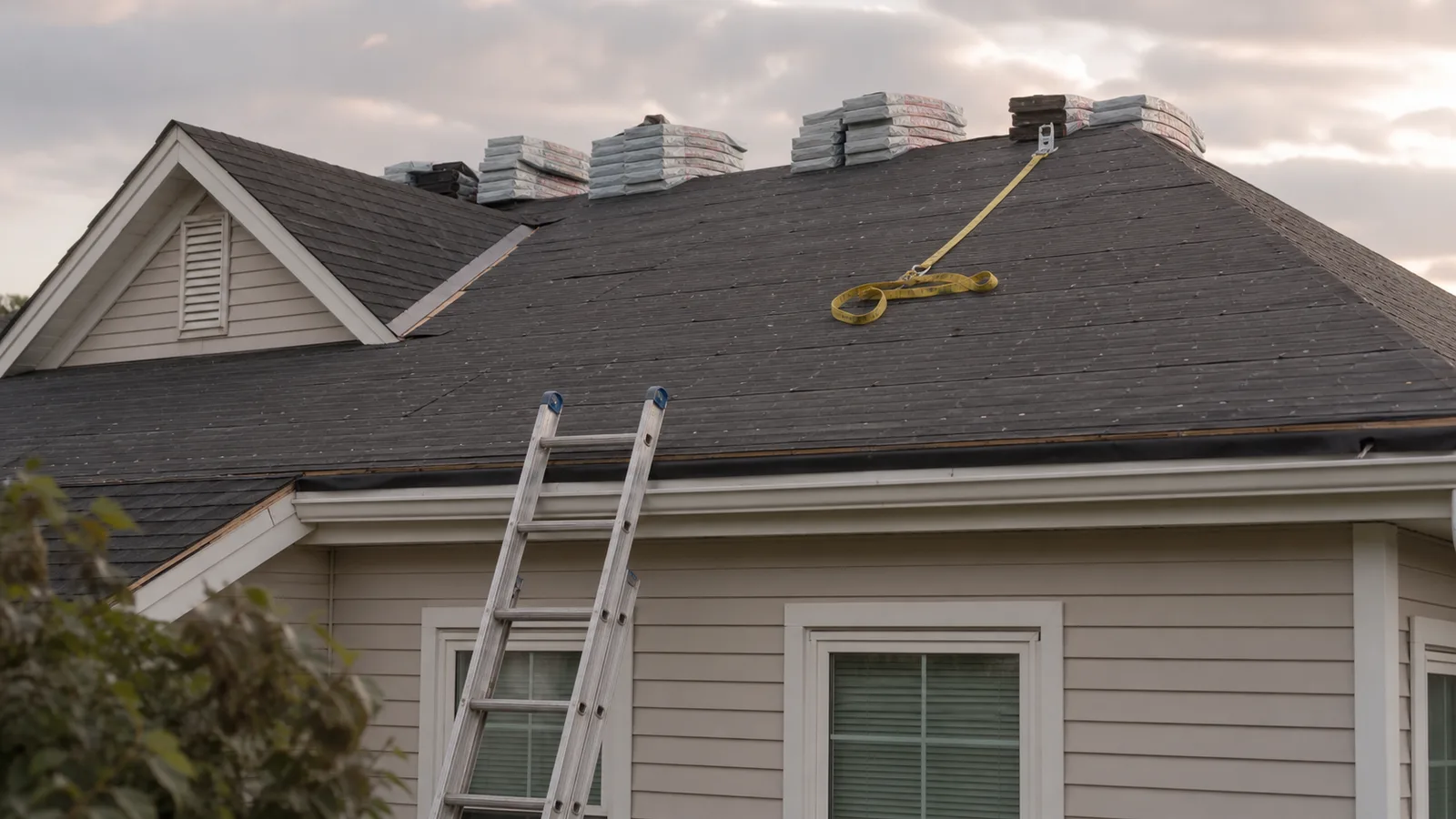
6 ft
The height at which OSHA requires fall protection on a construction site — guardrails, nets, or a personal arrest system
#1
Fall protection has been OSHA's most-cited violation every year for over a decade
~4 in 10
Share of construction worker deaths caused by falls, slips, and trips
A fall from a roof is not one legal problem. It is usually two or three stacked on top of each other, and they run on different clocks. There is the workers' compensation claim, which covers medical bills and part of your wages but bars you from suing your own employer. There is the separate claim against whoever else contributed — the general contractor, the property owner, the equipment manufacturer, another sub on site — which is where the real money in these cases lives. And there may be an OSHA investigation running in parallel that has nothing to do with paying you but produces evidence that shapes everything else.
Most people only find out about the second one after the deadline to bring it has passed. That is the single most expensive mistake in this category, and it happens because the first adjuster to call is friendly, helpful, and works for the comp carrier — whose interests stop at the edge of the comp claim.
If you're a homeowner instead, your question is narrower and the answer is more reassuring than you expect: whether you are personally exposed usually turns on whether the person who fell was a properly insured contractor, and on what your own policy already covers. That is worth understanding before you talk to anyone.
Start with what happened
The right answer depends heavily on who you were working for and who owned the property. Pick the one that matches your facts.
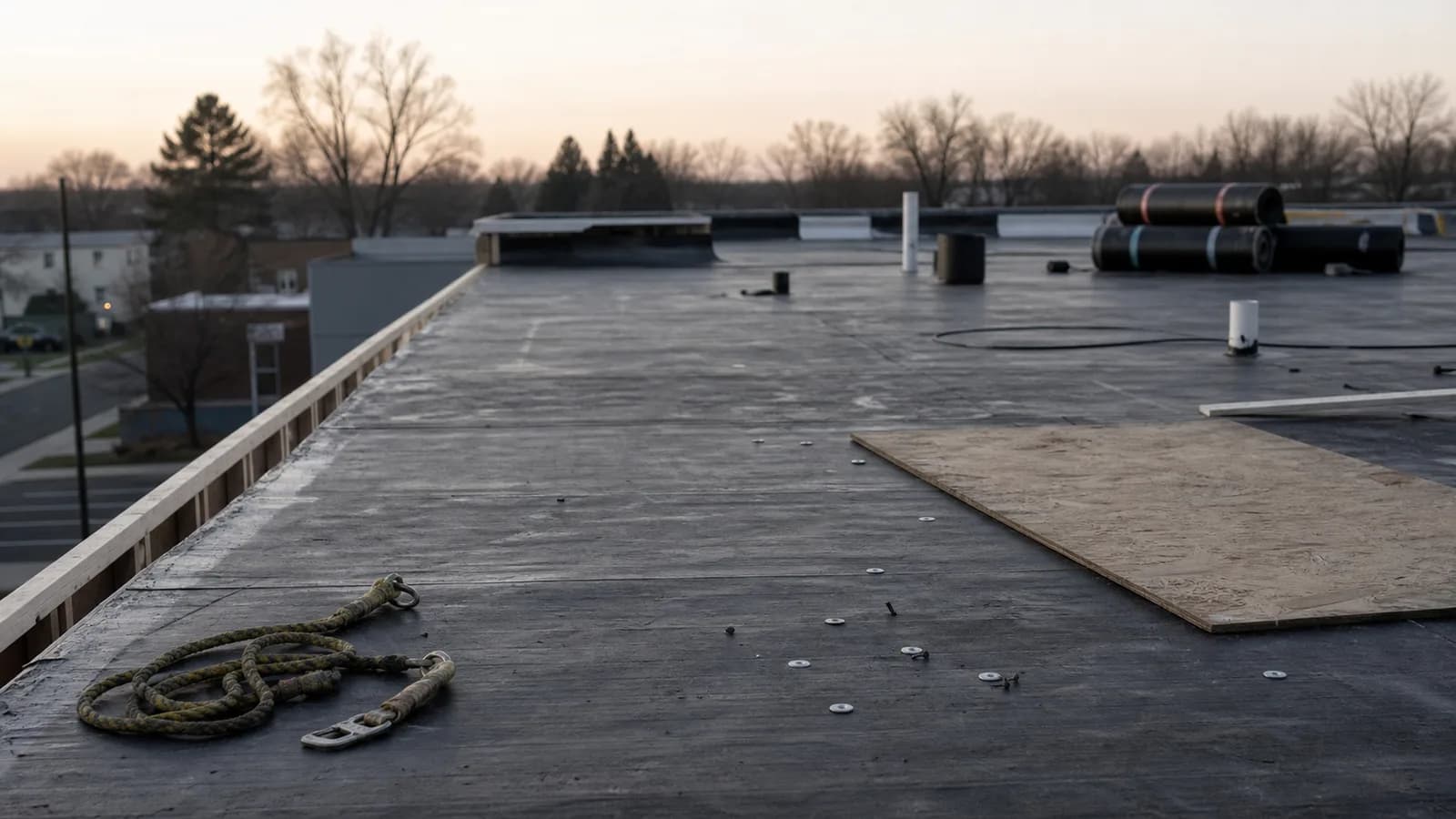
I fell off a roof at work
Comp covers part of it. The claim against everyone who isn't your employer covers the rest — and runs on a different deadline.
Read this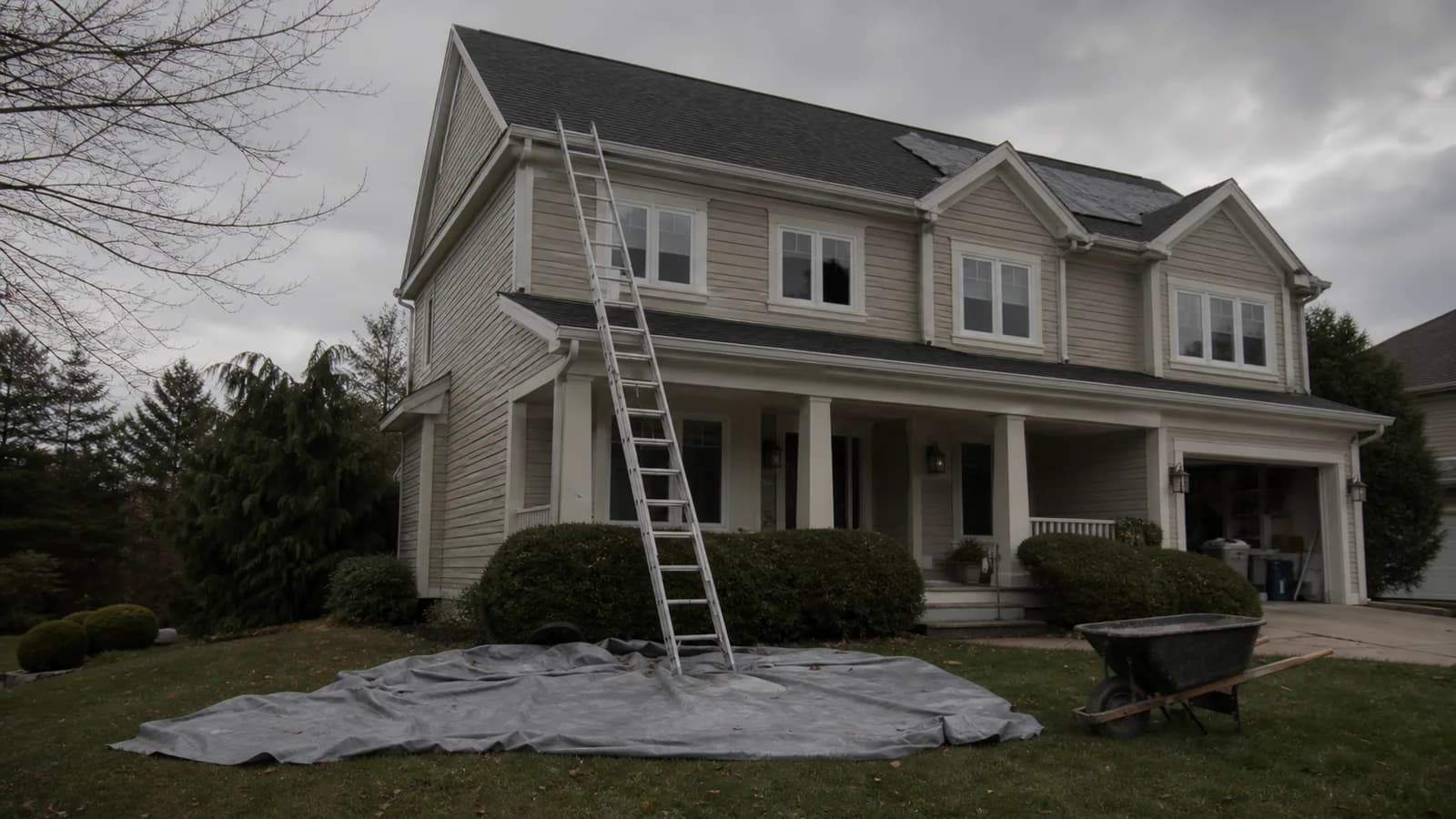
A roofer fell at my house
Usually the contractor's insurance answers for it. What determines your exposure is whether they actually had any.
Read this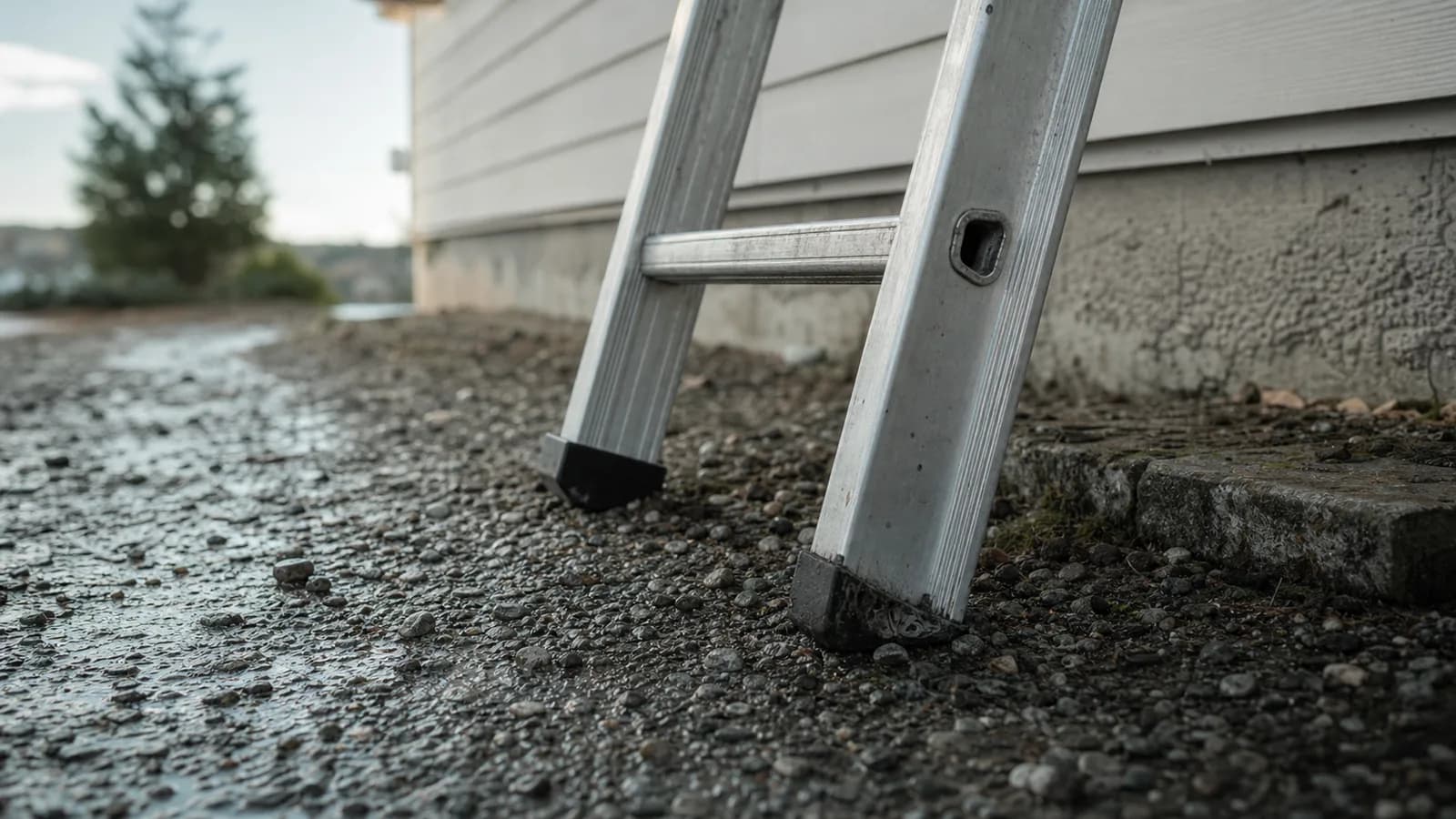
I fell off a ladder
Who supplied the ladder and who set it up usually decides the case. Preserve the ladder itself.
Read this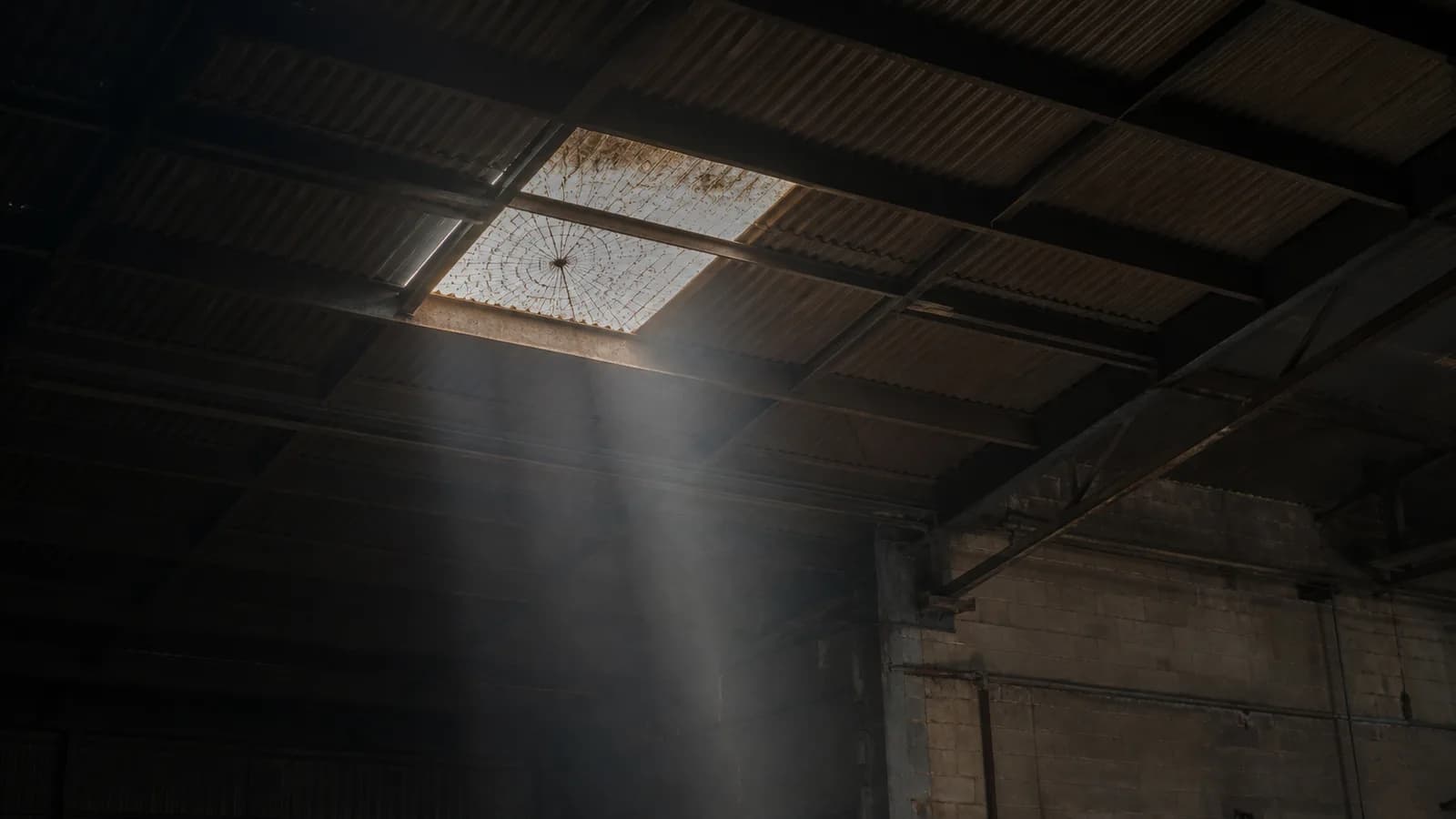
The roof gave way
Falling through a surface raises different questions than falling off one — mainly who knew it was weak.
Read this
A family member died
Death benefits and a wrongful death claim are separate. OSHA's investigation is mandatory here.
Read thisBefore you talk to anyone
The questions that come up in every one of these cases, answered once and properly.
Comp vs. the third-party claim
Two claims, two clocks, two very different numbers. The one people miss is the bigger one.
Read thisOSHA after a fall
OSHA won't pay you a dollar. Its file is still one of the most useful documents in the case.
Read thisWhat these cases are worth
No honest answer is a number. Here's what actually moves it, and what doesn't.
Read thisThe deadlines
Four separate clocks. The shortest one can be as little as 30 days.
Read thisNew York's scaffold law
In New York, owners and GCs are absolutely liable for height falls — and your own carelessness isn't a defense.
Read thisEvidence and research resources
See all resourcesEvidence checklist
The records, objects, photographs, and timelines worth preserving now.
Read thisPlain-language glossary
Medical, insurance, safety, and legal terms explained without the jargon.
Read thisOfficial sources
The government, court, safety, and medical sources used to check this site.
Read thisCommon questions
Is this a law firm?
No. Roof Accident is a free service that connects people to independent attorneys who handle fall and construction injury cases. We do not practice law, we do not give legal advice, and nobody here is your lawyer.
What does it cost?
Nothing to you. We're paid a flat advertising fee by the law firms we refer to, which doesn't vary with the value of your case and never comes out of a recovery. If you hire an attorney, that arrangement is contingency-based — no fee unless they recover for you.
What happens after I submit the form?
A person reads it, usually within a couple of hours. If the facts look like a viable claim, we connect you with an attorney licensed in your state who handles this type of case. If they don't, we tell you that instead of passing you around.
I'm not sure I even have a case.
That's the normal starting point and it's exactly what a review is for. The most common reason people don't have a claim is that they assumed workers' comp was the only option and never asked who else was on site.
Will you sell my information?
We share your submission with the law firm we refer you to and with the providers who transmit and store it. We don't sell it to marketing lists or data brokers. You can revoke consent to be contacted at any time.
Find out if you have a case
Tell us what happened. If your situation looks like something a lawyer should see, we connect you with an independent attorney who handles this type of claim. If it doesn't, we'll say so.
Free · No obligation · About 90 seconds