What happened
Ladder falls: why they're treated differently
Ladder falls are the most common way people get hurt getting to a roof rather than working on one, and they're analyzed differently from a fall off the roof edge. The questions are mechanical: was the ladder the right one for the job, was it set at the right angle and secured, was the footing sound, and had anything on it failed before.
That makes the physical ladder the single most important piece of evidence, and it is also the one most likely to be thrown away or quietly repaired within a week.
Published July 27, 2026 · Last reviewed July 30, 2026
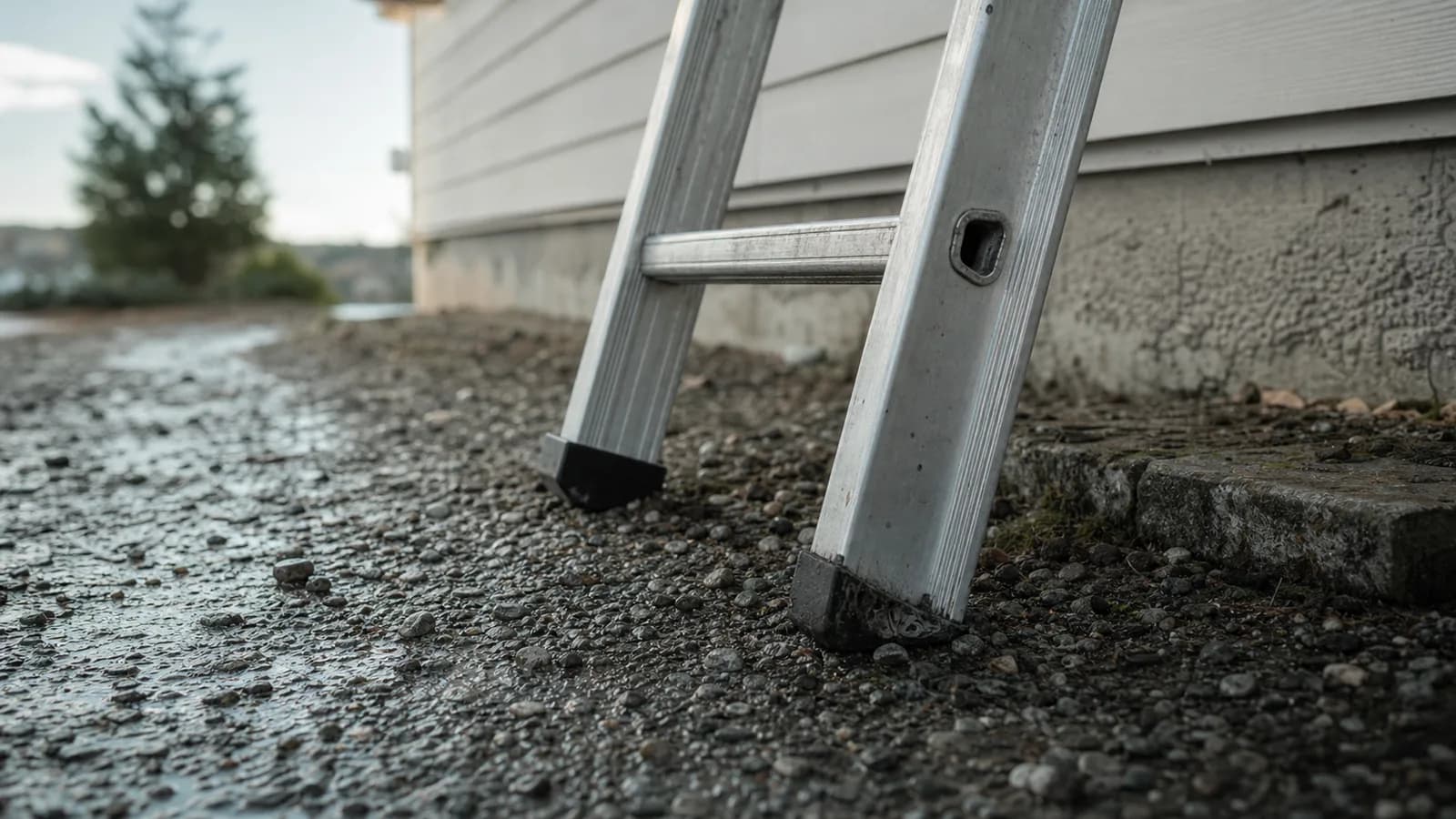
How ladder falls actually happen
In practice they cluster into a handful of patterns, and the pattern tells you who is likely responsible.
- The base kicks out — usually too shallow an angle, or set on soft ground, gravel, or a wet surface
- The top slides sideways because the ladder wasn't tied off or the roof edge wasn't secured
- The ladder doesn't extend far enough past the roofline, so the transfer on or off is unstable
- A rung, rail, lock, or spreader fails structurally
- A defect that was already known — a bent rail, a cracked foot, a missing rubber shoe — on a ladder that stayed in service anyway
- Someone else moves or bumps the ladder while it's occupied
Supplied equipment changes who's responsible
If the ladder belonged to your employer, a general contractor, a rental company, or the property owner, the duty to supply equipment in safe working condition sits with them. A ladder kept in service with a known defect is a straightforward negligence case, and rental companies in particular keep inspection and maintenance records that can be obtained.
If the ladder failed structurally rather than being misused, that is a product claim against the manufacturer, and it does not depend on anyone's negligence at the site. Product claims also survive some situations where other claims don't, which is a reason not to write one off early.
Preserve the ladder
This is the part people get wrong. A photograph of a ladder is not the same as the ladder. An engineer examining the actual failed rung can determine whether it fatigued over time, was overloaded, or was already cracked — and none of that is recoverable from a picture.
Do not return it to a rental company, do not let a supervisor take it, and do not let anyone repair it. Store it somewhere it will not be disturbed and photograph it where it sits first.
What tends to make a claim worth pursuing
None of these is a guarantee. They are the facts an attorney will look for first when deciding whether to take a case like yours.
- The ladder was supplied by someone other than you
- It had a visible defect, or had been reported as damaged before
- A component failed structurally rather than the ladder tipping
- The setup surface was soft, uneven, wet, or sloped
- It's a rental and inspection records exist
- You still have the ladder and it hasn't been altered
Questions
What if I set the ladder up myself?
It's a factor, not a verdict. Comparative fault reduces recovery in proportion to your share in most states rather than eliminating it, and it doesn't touch a product claim if the ladder itself failed. Whether you were given a suitable ladder for that job in the first place is often the more important question.
The rental company already took the ladder back. Is the case over?
No. Rental companies maintain inventory, inspection, and maintenance records, and the specific unit can usually be identified from your rental agreement. It's harder without the physical ladder, not hopeless. Say so early so a preservation letter can go out before it's serviced or scrapped.
Is a ladder fall a workers' comp claim or a lawsuit?
Frequently both, on separate tracks. Comp if you were working; a negligence or product claim against whoever supplied or maintained the ladder, which is often not your employer.
Read next
Other situations
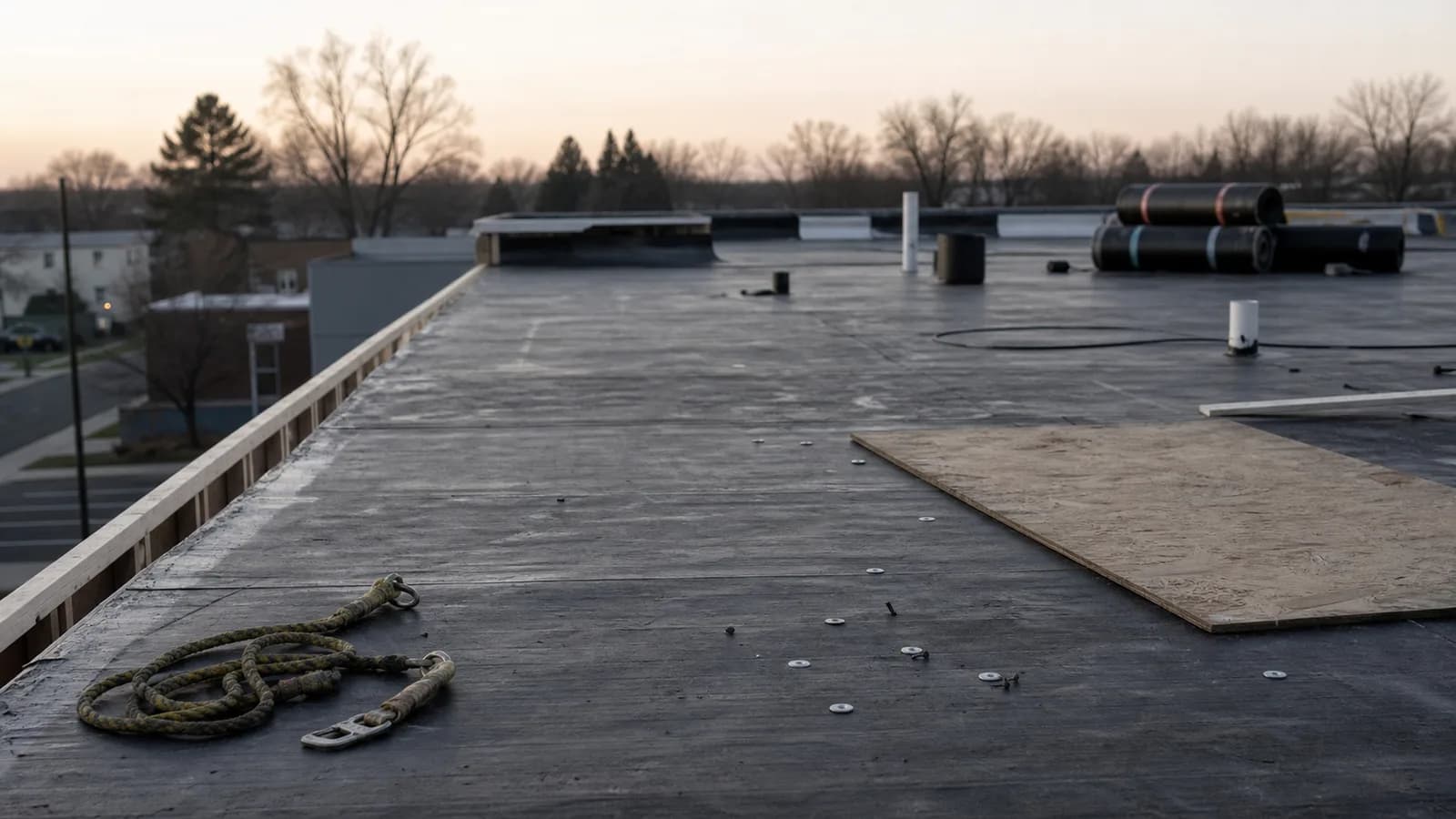
I fell off a roof at work
Comp covers part of it. The claim against everyone who isn't your employer covers the rest — and runs on a different deadline.
Read this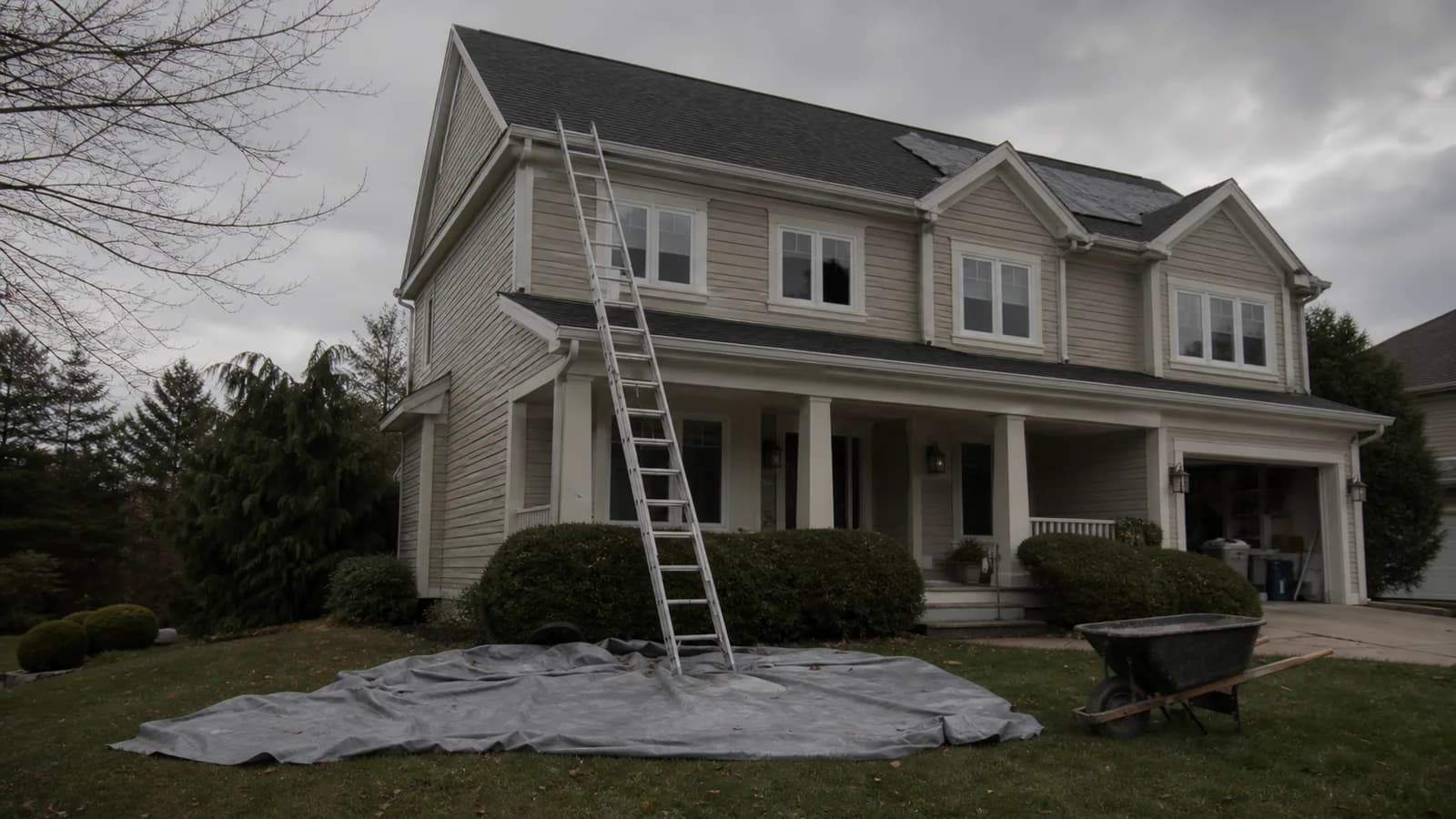
A roofer fell at my house
Usually the contractor's insurance answers for it. What determines your exposure is whether they actually had any.
Read this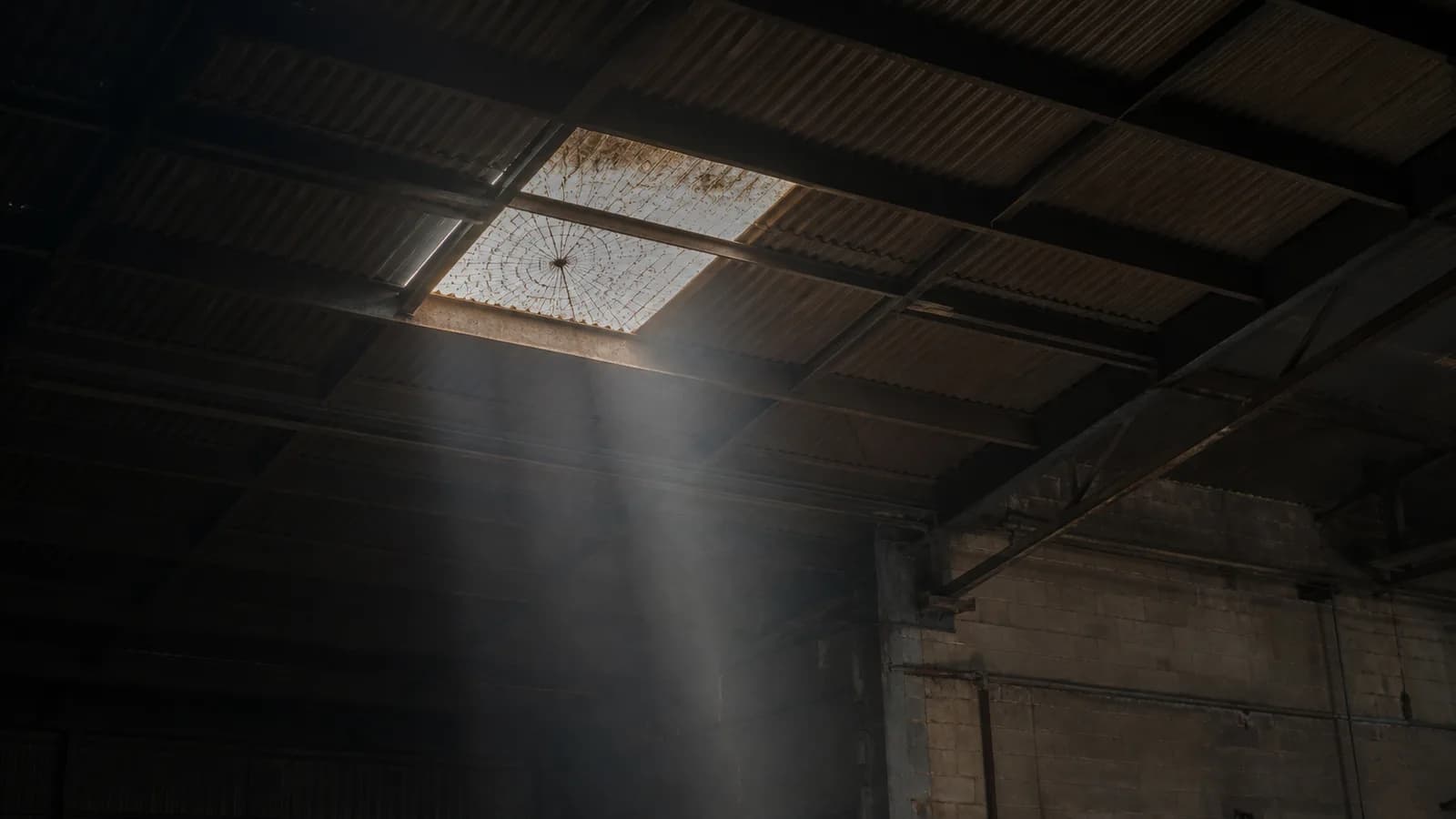
The roof gave way
Falling through a surface raises different questions than falling off one — mainly who knew it was weak.
Read this
A family member died
Death benefits and a wrongful death claim are separate. OSHA's investigation is mandatory here.
Read thisEvidence and research resources
See all resourcesEvidence checklist
The records, objects, photographs, and timelines worth preserving now.
Read thisPlain-language glossary
Medical, insurance, safety, and legal terms explained without the jargon.
Read thisOfficial sources
The government, court, safety, and medical sources used to check this site.
Read thisHave a lawyer look at this
A free review tells you whether the facts you have are the facts that matter. No cost, and no obligation to hire anyone.
Free · No obligation · About 90 seconds