What happened
A roofer fell at your house. Are you on the hook?
The short version: if the person who fell was working for a properly insured roofing contractor, their workers' compensation and general liability coverage is designed to absorb this, and you are generally not personally responsible for an injury caused by a contractor's own work methods.
The exposure shows up in the gaps — an uninsured contractor, a day laborer hired directly, or a hazard on your property that you knew about and didn't mention.
Published July 27, 2026 · Last reviewed July 30, 2026
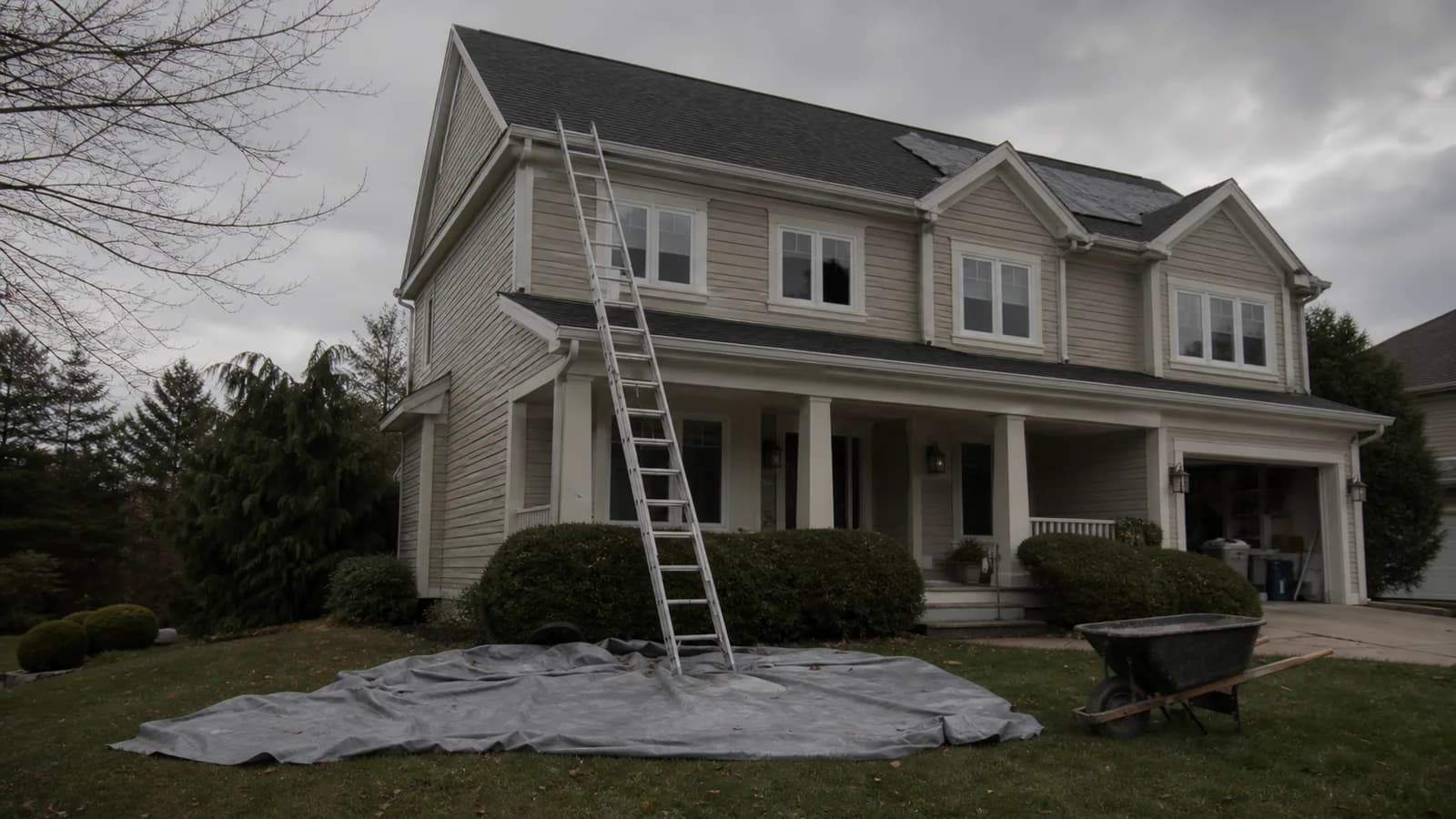
Do this in the first 48 hours
Almost everything that goes wrong for homeowners in these situations traces back to something not done in the first two days.
- Call your homeowners insurer and report it, even if you're sure it isn't your fault. Nearly every policy requires prompt notice, and late notice is itself a basis to deny coverage
- Get the contractor's certificate of insurance in writing — both workers' comp and general liability — and confirm it was current on the date of the fall
- Photograph the work area, the ladder setup, and the roof, before anything is cleaned up
- Write down what you saw and when, while it's fresh
- Do not admit fault, apologize in writing, or agree to pay medical bills
- Send anyone who contacts you about it to your insurer
When you're generally not exposed
You hire a licensed, insured roofing company. Their employee falls because the crew set the ladder badly or skipped fall protection. That is the contractor's work method, on a job you had no control over, and the contractor's comp carrier is the one that answers.
The general rule is that a property owner is not liable for the negligence of an independent contractor. Homeowners who hire real companies with real coverage are usually protected by exactly this.
When you might be
Three patterns account for most homeowner exposure.
First, and by far the most common: the contractor had no insurance. Some states then treat the homeowner as a statutory employer for workers' compensation purposes, and the injured worker's only path runs through you. This is the reason to check the certificate before work starts, not after someone falls.
Second, you hired an individual directly — a handyman, a neighbor, someone off a marketplace listing — and paid them cash. There is no company and no coverage behind them, and the relationship may look more like employment than a contract.
Third, you knew about a hazard and didn't disclose it. A rotted section of decking, a skylight painted over, a brittle patch you've been meaning to fix, an unmarked electrical line near the eave. A property owner's duty is to warn about known dangers that aren't obvious, and failing to mention one you knew about is the clearest way an owner ends up personally in a case.
What your policy probably already does
Standard homeowners policies contain a personal liability section — often $100,000 to $500,000, more if you carry an umbrella — plus a small no-fault medical payments provision that covers a guest's or worker's medical bills up to a few thousand dollars regardless of fault.
Critically, the liability section also includes the insurer's duty to defend you. If a claim is made, your carrier provides and pays for the lawyer. That is often worth more than the coverage limit itself, and it is another reason to notify them early rather than trying to handle it yourself.
Coverage is not unlimited. Policies commonly exclude injuries to your own domestic employees under some circumstances, business activity conducted from the home, and claims arising from work you directed personally. Read the declarations page or have someone read it with you.
What tends to make a claim worth pursuing
None of these is a guarantee. They are the facts an attorney will look for first when deciding whether to take a case like yours.
- The contractor could not produce a current certificate of insurance
- You paid an individual in cash rather than hiring a company
- You knew about a structural weakness on the roof and did not mention it
- You supplied the ladder, scaffold, or other equipment involved
- You directed how or when the work was done rather than just what
- You've received a letter from an attorney or a lien notice
Questions
The roofer says he doesn't want to involve insurance. Should I just pay him?
No. An informal payment does not close the claim, is not a release, and can be read later as an admission. It also risks breaching the cooperation and notice clauses in your own policy, which is the fastest way to lose the coverage that would otherwise protect you. Report it to your insurer and let them handle it.
Does my homeowners insurance cover a worker who falls?
Usually yes, under the personal liability section, and the medical payments section may cover initial bills regardless of fault. The important caveat is that policies exclude some categories of worker injury, and coverage decisions turn on the specific policy language. Notify the carrier and get their coverage position in writing.
I never checked whether they were insured. How bad is that?
It is the main risk factor, but it is not automatically fatal. Some states impose statutory employer status on homeowners of uninsured contractors and some do not, and even where they do, the analysis depends on the size and nature of the job. Get the facts confirmed before assuming the worst.
Can I be sued personally?
You can be named in a suit whether or not you're ultimately liable — that is normal and not the same as losing. If you have homeowners coverage and gave prompt notice, your insurer's duty to defend generally means they provide the lawyer and pay the defense cost.
Read next
Other situations
I fell off a roof at work
Comp covers part of it. The claim against everyone who isn't your employer covers the rest — and runs on a different deadline.
Read this
A family member died
Death benefits and a wrongful death claim are separate. OSHA's investigation is mandatory here.
Read this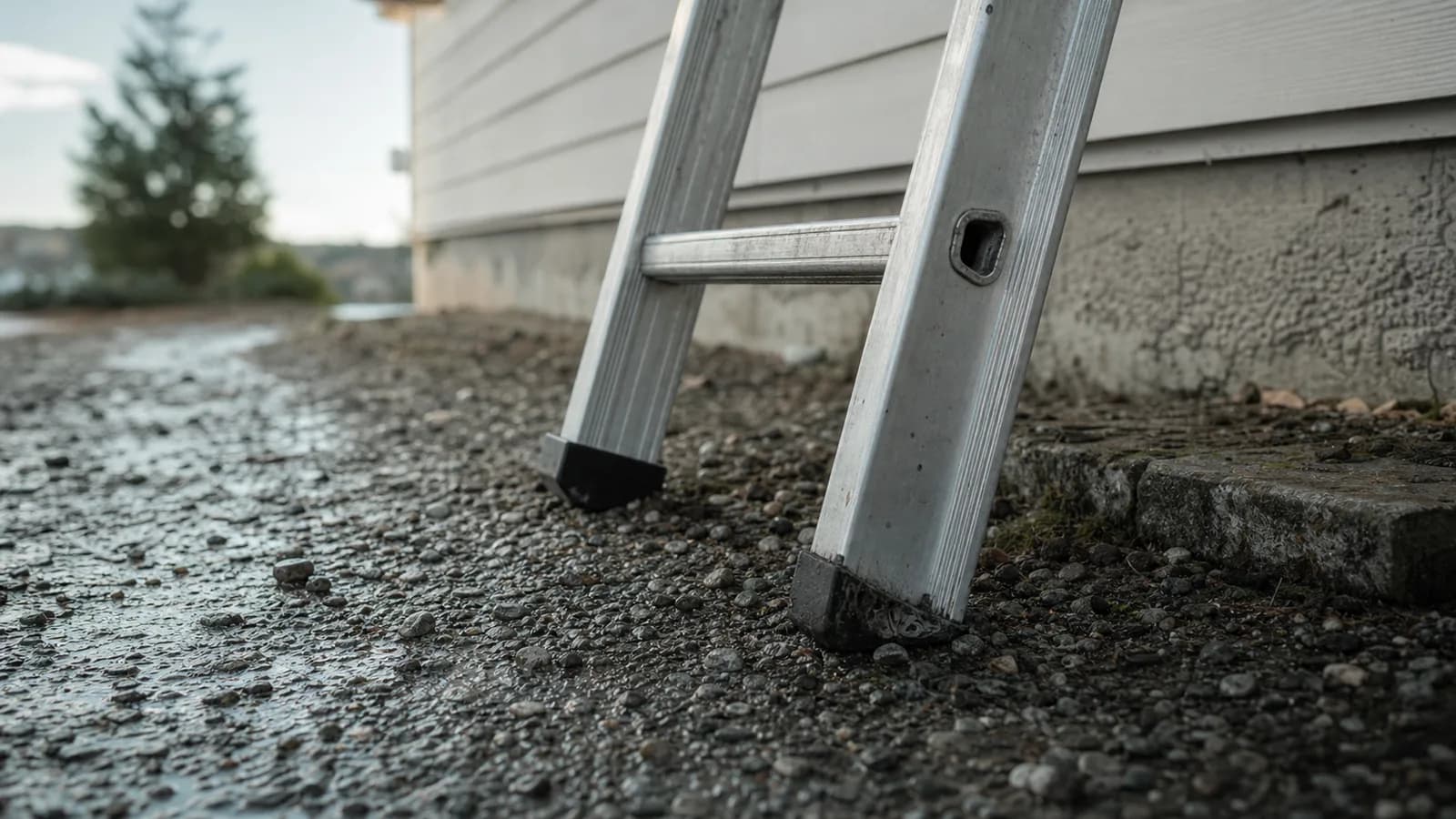
I fell off a ladder
Who supplied the ladder and who set it up usually decides the case. Preserve the ladder itself.
Read this
The roof gave way
Falling through a surface raises different questions than falling off one — mainly who knew it was weak.
Read thisEvidence and research resources
See all resourcesEvidence checklist
The records, objects, photographs, and timelines worth preserving now.
Read thisPlain-language glossary
Medical, insurance, safety, and legal terms explained without the jargon.
Read thisOfficial sources
The government, court, safety, and medical sources used to check this site.
Read thisThis is one we can't help with
We connect injured people to attorneys who represent them. If a worker was hurt at your property, you're on the other side of that — so sending you to one of our firms would be a conflict, and we won't do it. Call your homeowners insurer today and report it. That notice is the single most important thing you can do, and their duty to defend means their lawyer, at their cost.