Guide
What a roof fall case is actually worth
Any site that gives you a settlement figure for an injury it hasn't seen is guessing, and usually guessing high on purpose. What we can do is tell you which variables genuinely determine the number, so you can see where your own case sits.
Published July 27, 2026 · Last reviewed July 30, 2026
The variables that move it most
In rough order of impact.
- Whether you can return to your trade. Permanent inability to do the only work you're trained for is the largest single driver in this category
- The medical picture — surgeries, hardware, fusion, traumatic brain injury, permanent impairment rating
- Future care and its cost over your remaining lifetime
- Lost earning capacity, beyond the wages missed so far
- Available insurance limits. A claim is only collectible up to what's actually insured, and this is frequently the real ceiling
- How many third parties exist, since each brings its own policy
- Comparative fault — your share, if any, reduces the recovery proportionally in most states
- Venue. The same facts are worth materially different amounts in different counties
What doesn't move it as much as people expect
The severity of the fall itself — a 30-foot fall with a good outcome is worth less than a 12-foot fall that ends a career. How badly the defendant behaved matters mostly through punitive damages, which are rare and capped in many states. And the amount billed by hospitals is not the same as the amount that will be recovered for medical expense, because most jurisdictions have rules about billed versus paid amounts.
Fee structure
Personal injury work is contingency-based, typically a third of the recovery, sometimes rising if the case goes to trial. You pay nothing up front and nothing if there's no recovery. Case costs — experts, filing fees, depositions, medical records — are separate from the fee and are usually advanced by the firm and repaid from the recovery.
Ask specifically whether the fee is calculated before or after costs are deducted. It changes the net meaningfully and the answer varies by firm.
Questions
Can you tell me what my case is worth?
Not from a web page, and neither can anyone else who hasn't seen your medical records, your employment history, and the insurance available. What a free review does is tell you whether the case is viable and what the realistic range looks like once someone has read the actual file.
How long do these take?
Third-party construction cases commonly run one to three years, longer if they go to trial. Cases involving multiple defendants and disputed liability take the longest. Comp benefits, by contrast, should start flowing within weeks.
Should I take the first offer?
Almost never, and particularly not before you've reached maximum medical improvement. Until your doctors know what your permanent condition is, nobody can value future care or lost earning capacity — and a settlement is final. Early offers are priced on the assumption you don't yet know what the injury cost you.
Situations this applies to
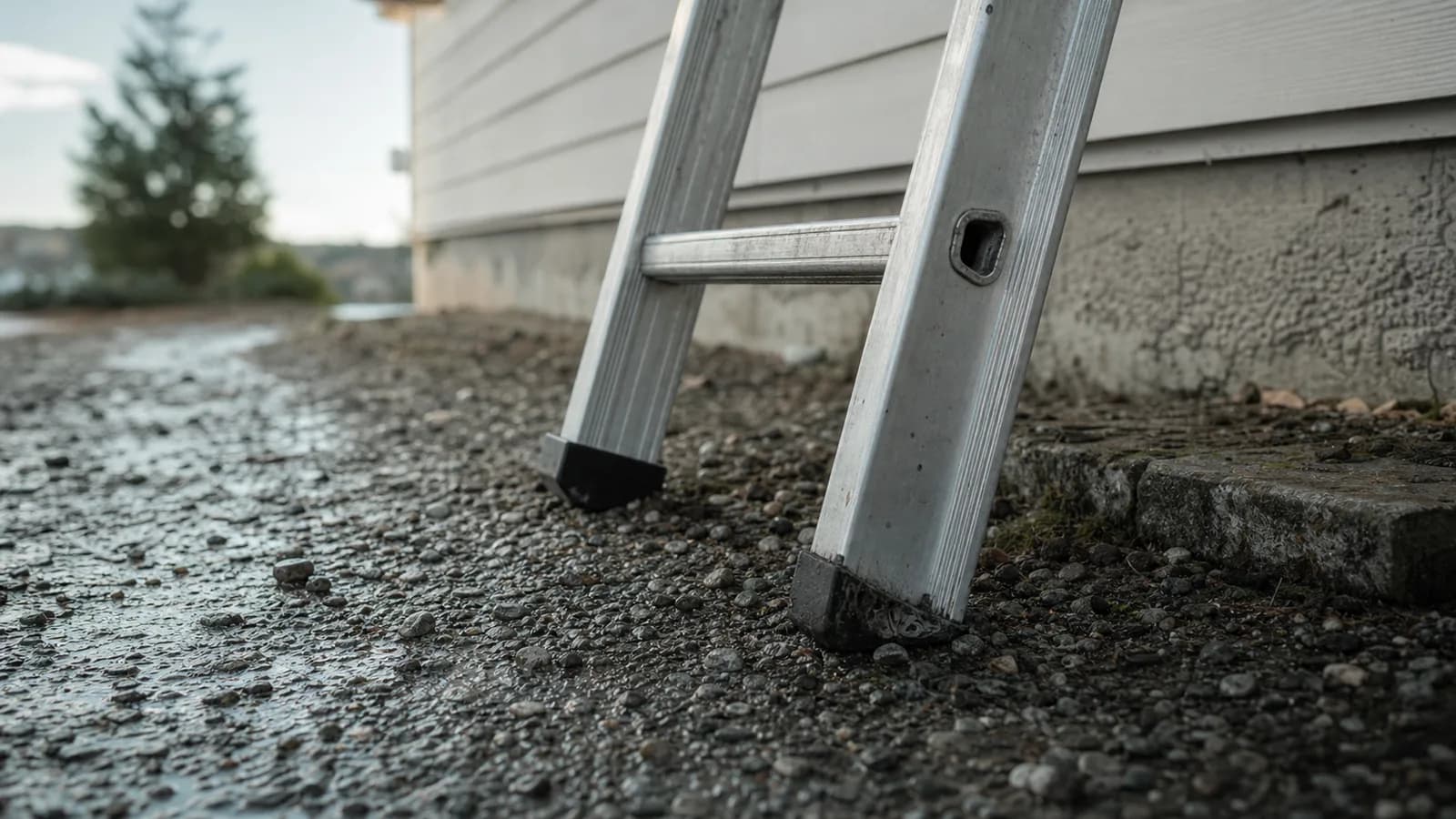
I fell off a ladder
Who supplied the ladder and who set it up usually decides the case. Preserve the ladder itself.
Read this
A family member died
Death benefits and a wrongful death claim are separate. OSHA's investigation is mandatory here.
Read this
I fell off a roof at work
Comp covers part of it. The claim against everyone who isn't your employer covers the rest — and runs on a different deadline.
Read this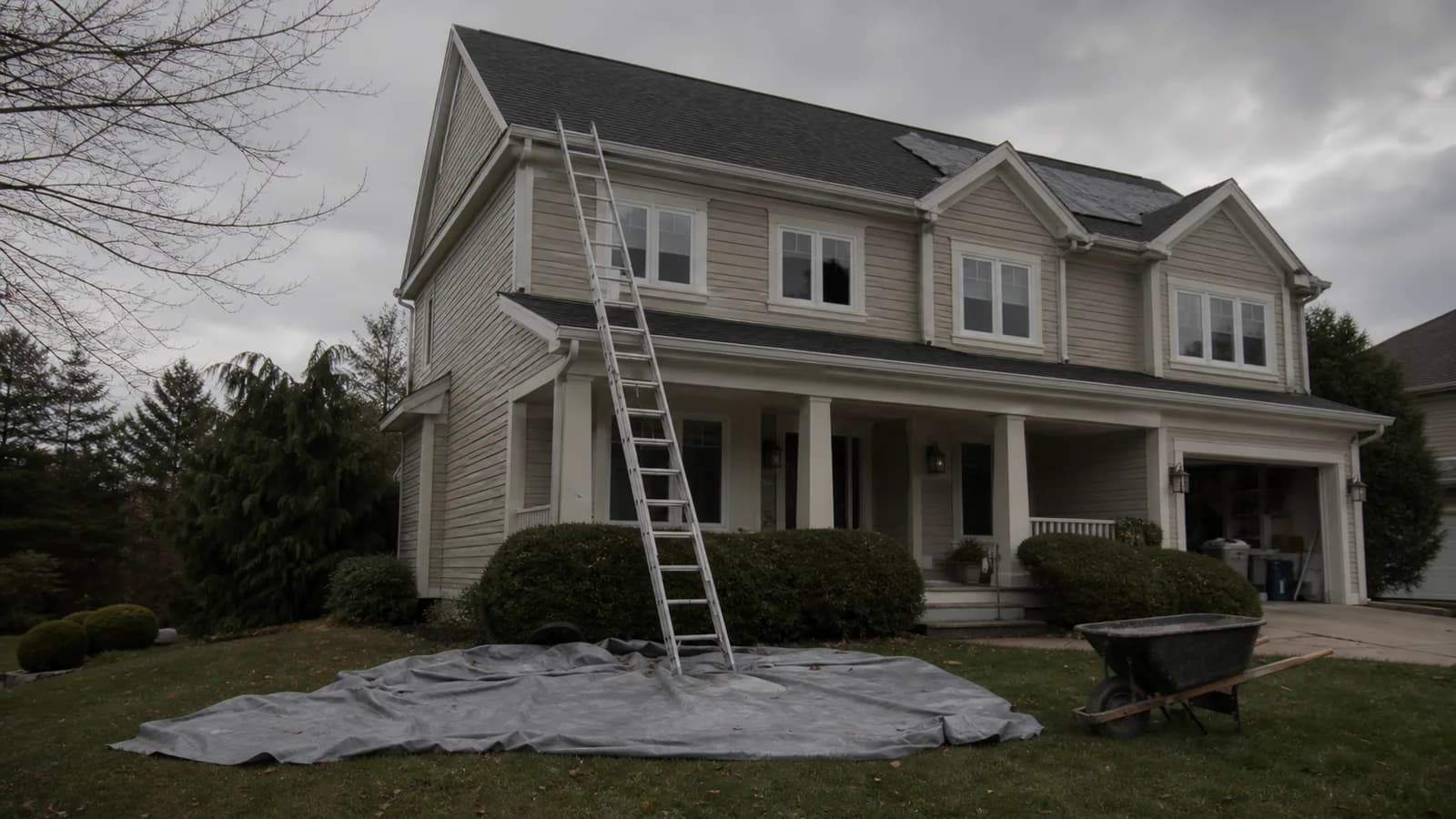
A roofer fell at my house
Usually the contractor's insurance answers for it. What determines your exposure is whether they actually had any.
Read thisRelated guides
Comp vs. the third-party claim
Two claims, two clocks, two very different numbers. The one people miss is the bigger one.
Read thisThe deadlines
Four separate clocks. The shortest one can be as little as 30 days.
Read thisNew York's scaffold law
In New York, owners and GCs are absolutely liable for height falls — and your own carelessness isn't a defense.
Read thisEvidence and research resources
See all resourcesEvidence checklist
The records, objects, photographs, and timelines worth preserving now.
Read thisPlain-language glossary
Medical, insurance, safety, and legal terms explained without the jargon.
Read thisOfficial sources
The government, court, safety, and medical sources used to check this site.
Read thisGet a straight answer about your case
Reading only gets you so far. A free review puts your actual facts in front of an attorney who handles these claims.
Free · No obligation · About 90 seconds