Guide
What OSHA does after a fall — and how to use it
OSHA enforces workplace safety. It has no authority to compensate an injured worker, and no OSHA finding automatically wins a case. What it produces is an independent, contemporaneous, government-authored record of a site that will otherwise look completely different in a month.
Published July 27, 2026 · Last reviewed July 30, 2026
What must be reported, and when
Employers must report a work-related fatality within 8 hours, and an in-patient hospitalization, amputation, or loss of an eye within 24 hours. Those are hard obligations, not courtesies, and failing to report is itself a violation.
A worker can also file a complaint directly, and can request an inspection. Retaliation for doing so is prohibited, with its own complaint process and a notably short filing window — 30 days in many circumstances.
What the inspector produces
An inspection generates a case file: the inspector's narrative, employee interviews, photographs and measurements, the citations issued, the standards cited, and the employer's response and abatement.
Fall protection under 1926.501 is the most-cited standard in the country. If a citation issues on the job you fell from, you have a federal finding that the required protection wasn't there — established by a neutral investigator, before any lawyer was involved.
Getting the file
Inspection data becomes publicly searchable through OSHA's establishment search once a case is closed, and the underlying file can be obtained by request. It takes time — often months — which is a reason to start early rather than a reason not to bother.
The employer's prior citation history is available the same way, and a pattern of previous fall-protection violations at other sites is meaningful evidence about how that company operates.
What OSHA won't do
It won't get you paid, won't file your comp claim, won't preserve equipment for you, and won't tell you your legal deadlines. Penalties go to the government, not to you. Treat the investigation as evidence-gathering that happens to be free — not as your claim.
Questions
My employer never reported it. Does that help my case?
It can. Failure to report a qualifying incident is a violation in itself, and it tends to support a broader picture of how safety was managed on that site. You can still report it yourself.
Will filing an OSHA complaint get me fired?
Retaliation for filing is unlawful and has its own remedy, but the complaint window is short — as little as 30 days for a whistleblower complaint under some provisions. If you believe you were fired or demoted for reporting, act quickly rather than waiting for the underlying case.
No citation was issued. Is my case dead?
No. The absence of a citation is not a finding that the site was safe — inspections are constrained by timing, scope, and what the inspector could still observe. Civil liability is decided under a different standard than OSHA enforcement.
Situations this applies to
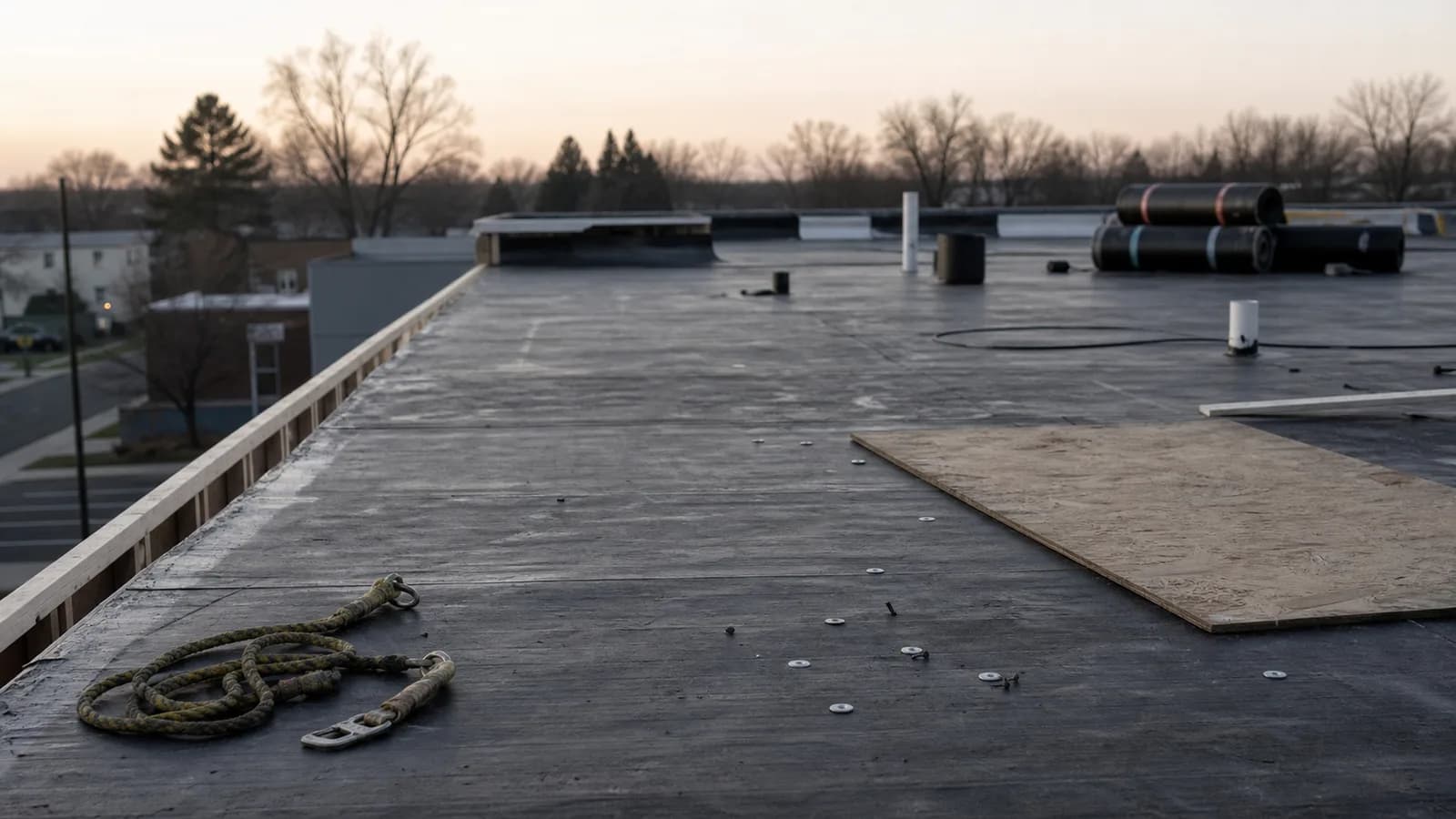
I fell off a roof at work
Comp covers part of it. The claim against everyone who isn't your employer covers the rest — and runs on a different deadline.
Read this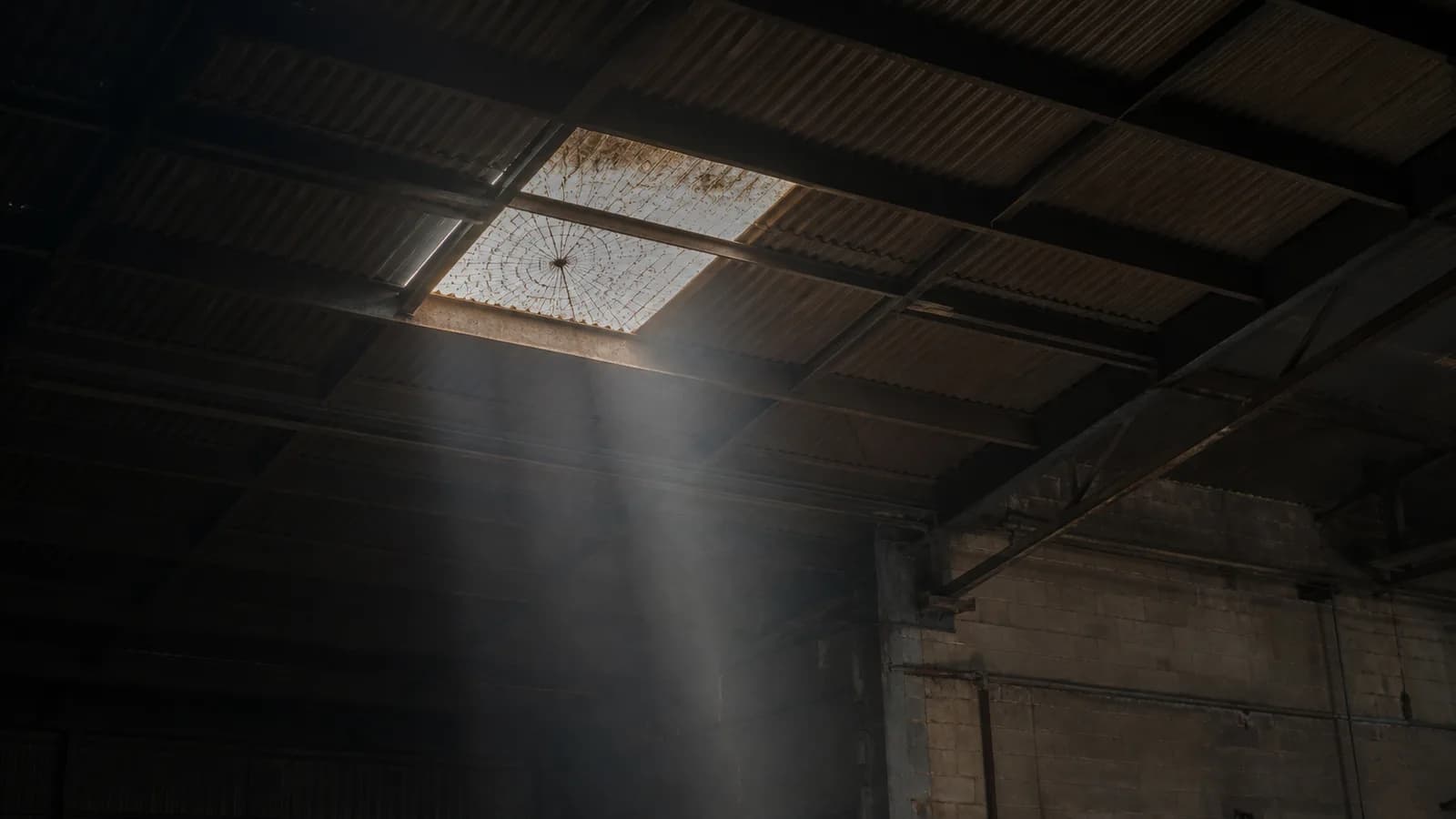
The roof gave way
Falling through a surface raises different questions than falling off one — mainly who knew it was weak.
Read this
A family member died
Death benefits and a wrongful death claim are separate. OSHA's investigation is mandatory here.
Read this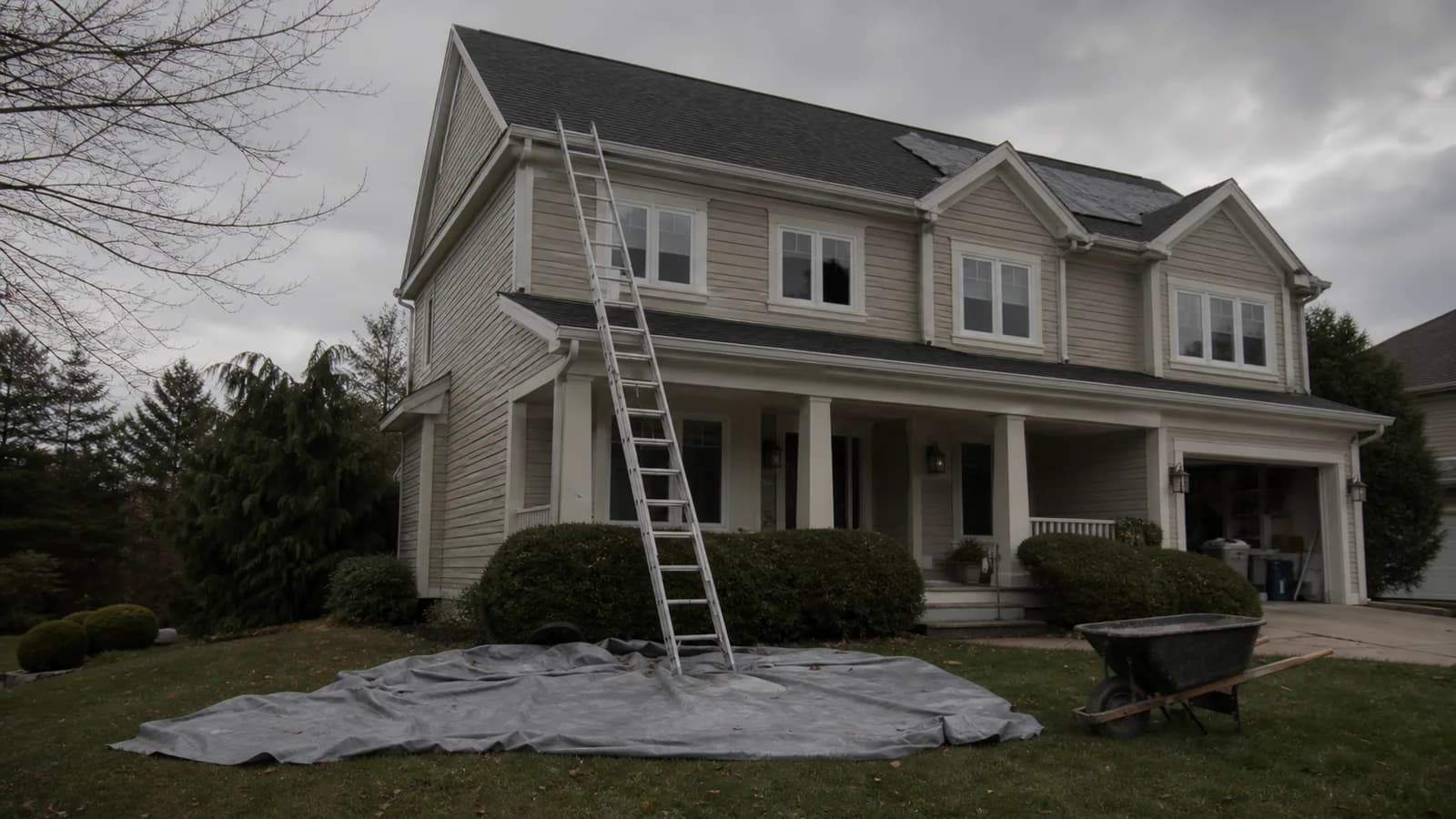
A roofer fell at my house
Usually the contractor's insurance answers for it. What determines your exposure is whether they actually had any.
Read thisRelated guides
Comp vs. the third-party claim
Two claims, two clocks, two very different numbers. The one people miss is the bigger one.
Read thisThe deadlines
Four separate clocks. The shortest one can be as little as 30 days.
Read thisNew York's scaffold law
In New York, owners and GCs are absolutely liable for height falls — and your own carelessness isn't a defense.
Read thisEvidence and research resources
See all resourcesEvidence checklist
The records, objects, photographs, and timelines worth preserving now.
Read thisPlain-language glossary
Medical, insurance, safety, and legal terms explained without the jargon.
Read thisOfficial sources
The government, court, safety, and medical sources used to check this site.
Read thisGet a straight answer about your case
Reading only gets you so far. A free review puts your actual facts in front of an attorney who handles these claims.
Free · No obligation · About 90 seconds