What happened
You didn't slip — the roof gave way
Falling through a skylight, a rotted deck, a fiber-cement panel, or an unsupported section is a different case from slipping off an edge, and usually a stronger one. The surface was represented as walkable and wasn't.
The whole case tends to turn on notice: who knew, or should have known, that the surface wouldn't hold, and what they did about it.
Published July 27, 2026 · Last reviewed July 30, 2026
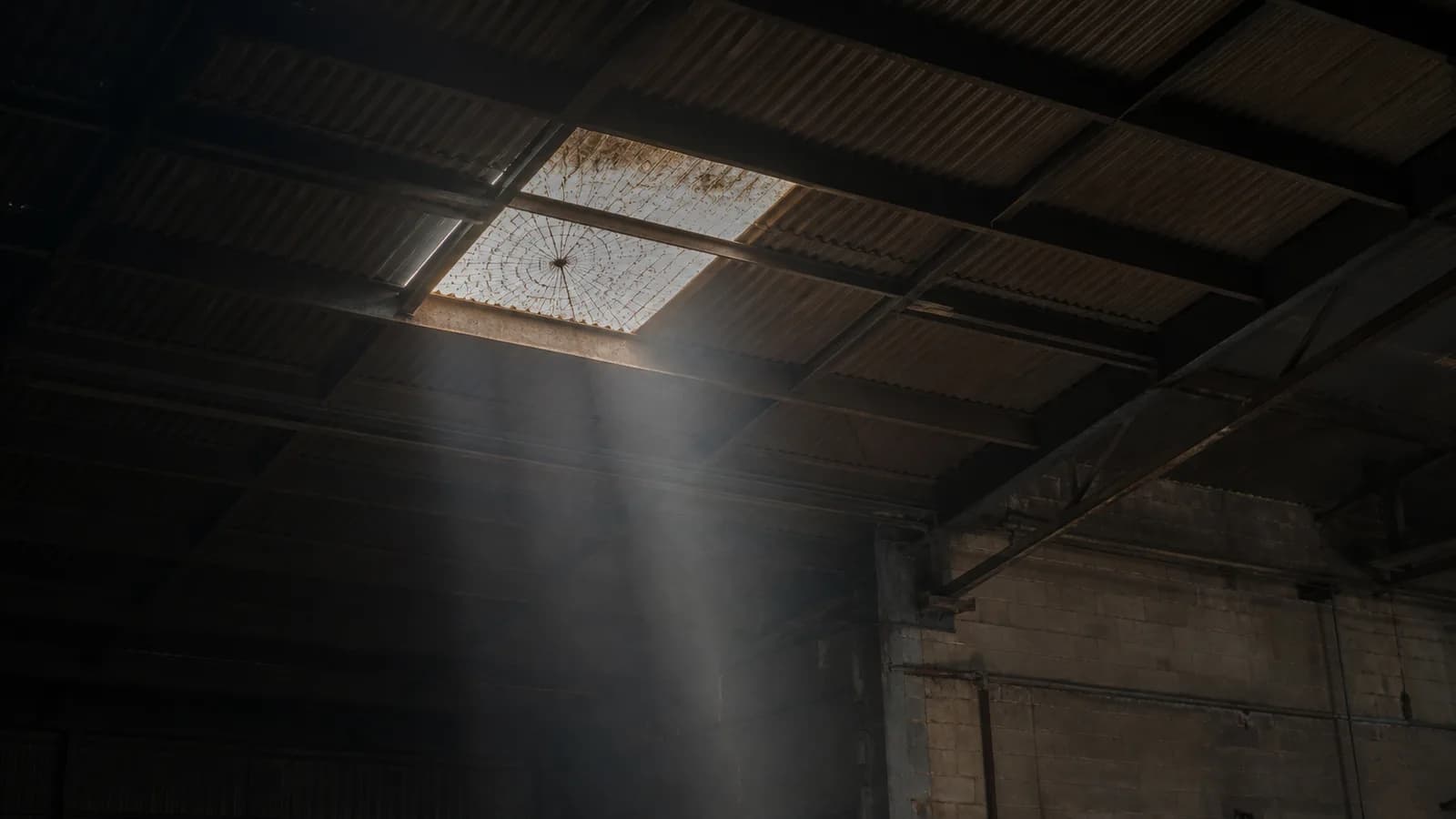
Skylights
Skylights are the classic version of this. From above, on a roof surface, a skylight covered in dust or paint or an old sheet of plywood is nearly invisible — and a person walking backward while pulling a hose or carrying a bundle has no reason to expect a hole.
OSHA treats a skylight opening as a hole requiring protection: a screen, a cover capable of supporting the intended load, or a guardrail. An unguarded, unmarked skylight on a work roof is a documented and frequently cited failure, not an unforeseeable accident.
Rotted decking and fragile panels
Older commercial roofs, agricultural buildings, and long-neglected residential structures develop soft spots that are invisible from above and give way under a single person's weight. Corrugated fiber-cement and translucent panels on warehouses and barns are notorious for this — they look like roofing and they are not rated to hold anyone.
The question is what the property owner or general contractor knew. Prior repairs, leak complaints, an inspection report, a maintenance log, or an insurance survey noting deterioration all establish notice. So does an owner telling the crew to be careful in one area — which is an admission that the danger was known.
Who ends up responsible
More parties than in a typical edge fall, and they don't cancel each other out.
- The property owner, who knew the condition of their own building
- The general contractor responsible for site safety and for inspecting before putting crews up
- A prior contractor whose repair or installation created the weak point
- The manufacturer of a panel or skylight that failed below its rated load
- Your employer, through workers' comp, if you were on the clock
What tends to make a claim worth pursuing
None of these is a guarantee. They are the facts an attorney will look for first when deciding whether to take a case like yours.
- You fell through a surface rather than off an edge
- A skylight was unguarded, uncovered, or painted over
- The building had a known history of leaks, rot, or prior roof repair
- Someone warned about a weak area beforehand
- The panel or cover failed below the load it was rated for
- Photographs exist of the hole and the surrounding surface after the fall
Questions
Does it matter that I couldn't see the skylight?
It helps you. The reason OSHA requires skylights to be screened, covered, or guarded is precisely that workers can't reliably see or avoid them. A hazard that isn't visible is one the property owner and contractor were obligated to protect against rather than expect you to notice.
The building owner says they had no idea it was rotted.
That's a claim to test, not accept. Notice can be actual or constructive — meaning they should have known through reasonable inspection. Maintenance records, leak complaints, prior repair invoices, and insurance inspection reports are all obtainable, and they frequently contradict that statement.
I was on a barn or agricultural building. Is that different?
Sometimes. Agricultural operations have partial exemptions from some OSHA standards, and some states apply different rules to farm labor. It changes the regulatory analysis; it does not remove the ordinary duty a property owner owes to someone lawfully on the property.
Read next
Other situations
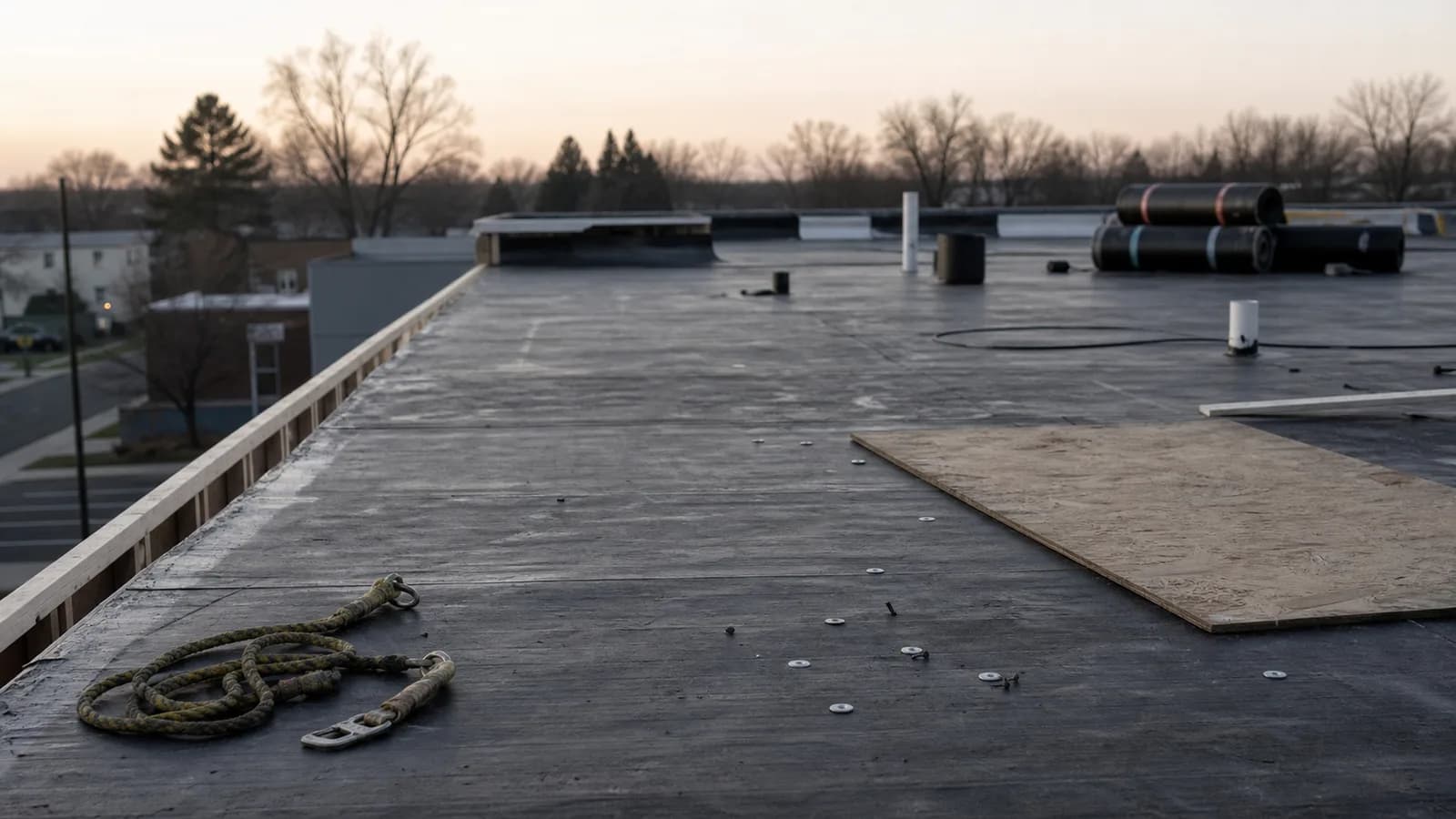
I fell off a roof at work
Comp covers part of it. The claim against everyone who isn't your employer covers the rest — and runs on a different deadline.
Read this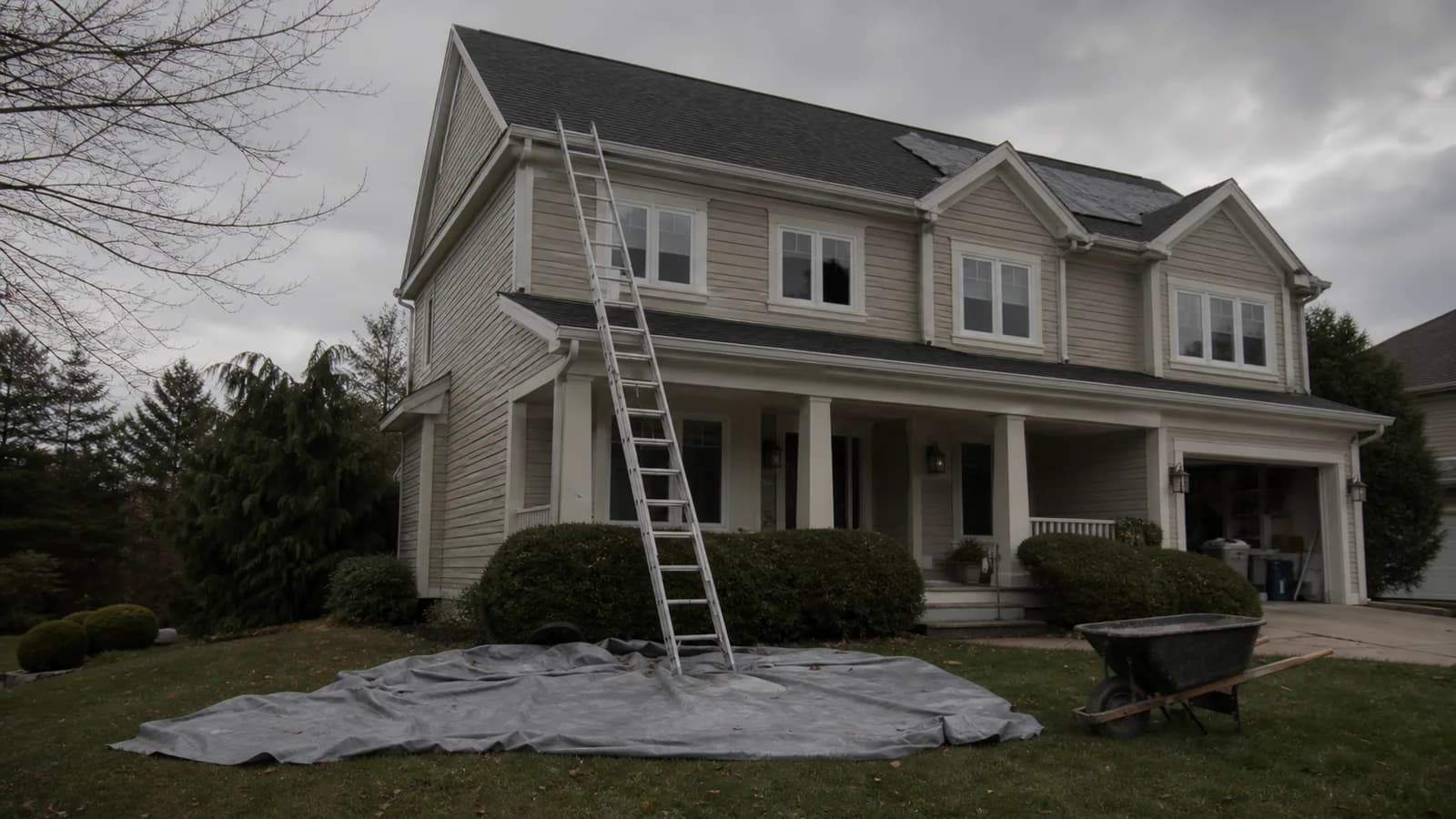
A roofer fell at my house
Usually the contractor's insurance answers for it. What determines your exposure is whether they actually had any.
Read this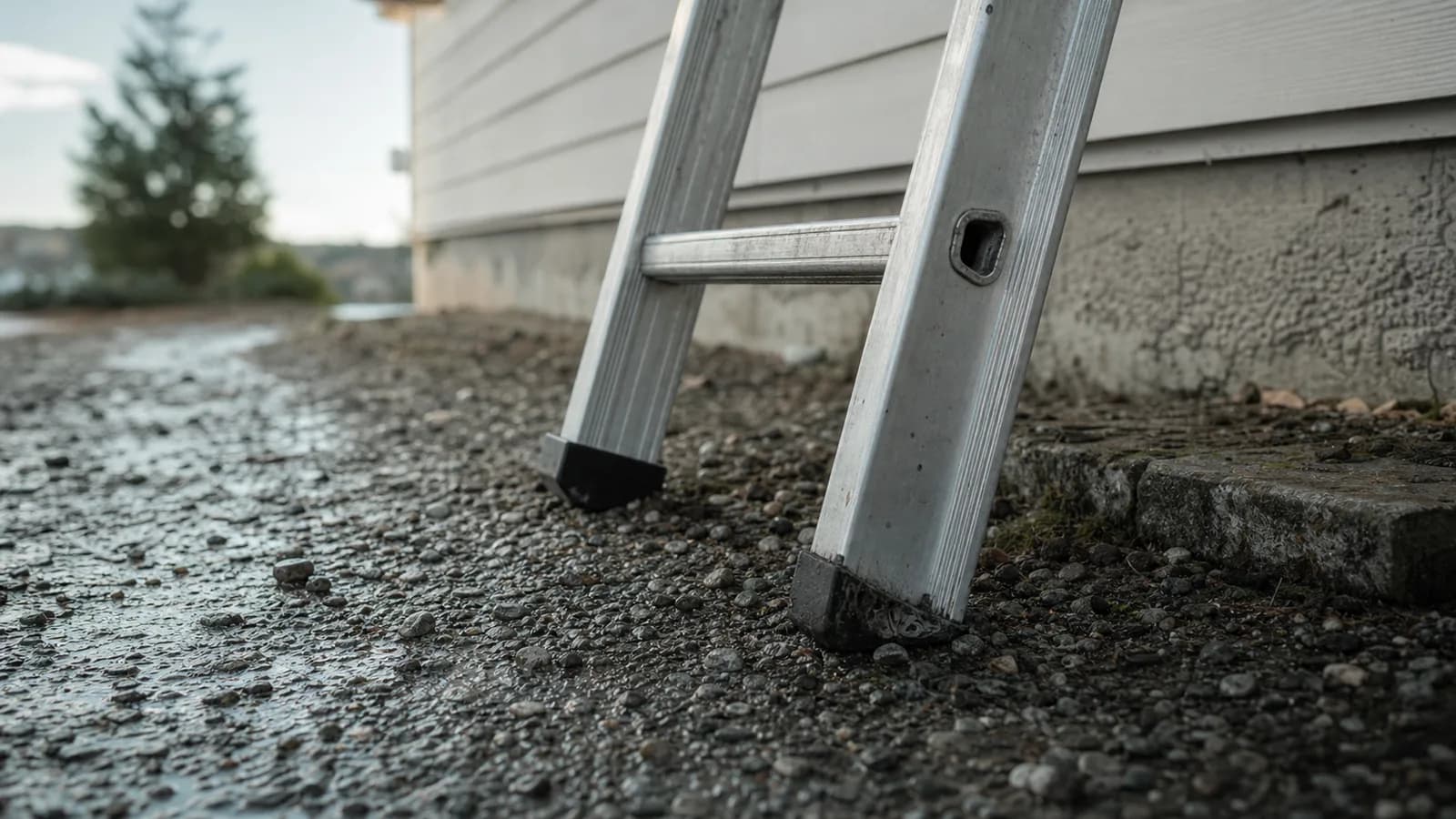
I fell off a ladder
Who supplied the ladder and who set it up usually decides the case. Preserve the ladder itself.
Read this
A family member died
Death benefits and a wrongful death claim are separate. OSHA's investigation is mandatory here.
Read thisEvidence and research resources
See all resourcesEvidence checklist
The records, objects, photographs, and timelines worth preserving now.
Read thisPlain-language glossary
Medical, insurance, safety, and legal terms explained without the jargon.
Read thisOfficial sources
The government, court, safety, and medical sources used to check this site.
Read thisHave a lawyer look at this
A free review tells you whether the facts you have are the facts that matter. No cost, and no obligation to hire anyone.
Free · No obligation · About 90 seconds